
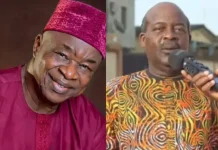






























Delta State Governor Rt. Hon. Sheriff Francis Orowhedor Oborevwori ignited a firestorm of comments and memes online after revealing his musical allegiance in a playful “This or That” challenge, and he chose Davido over Wizkid.
The tongue‑in‑cheek exchange, shared on the official X (formerly Twitter) handle of the Delta State Government, instantly became a trending topic among Nigerian music lovers and internet users.
Posted on March 9, the interactive thread invited followers to learn more about the governor’s personal preferences across lifestyle, culture, and pop‑culture choices. From vehicles to hometown pride, Gov. Oborevwori’s responses were light‑hearted and engaging — but it was his answer to the music pairing that stole the spotlight. When asked to pick between two of Nigeria’s most internationally celebrated artists, the governor didn’t hesitate, siding with Davido, sparking waves of reactions, laughter, and social media banter.
What might have seemed like a simple preference poll quickly reignited one of Nigerian pop culture’s longest‑running online debates: Davido vs. Wizkid. Fans from both sides rushed to defend their favourites, flood timelines with reactions, and turn the governor’s pick into a viral moment. The spirited back‑and‑forth underscores how deeply music influences conversations — not just among fans, but even at the highest levels of public life.
The Davido‑Wizkid rivalry, often more playful than polarizing, has been a staple of Nigerian entertainment discussions for over a decade, with supporters of each artist championing their global achievements and cultural impact. What made this edition particularly memorable was its source: a state governor engaging with youth culture in a way that blurred the lines between political office and everyday social interaction.
Gov. Oborevwori’s “This or That” session reflects a growing trend: public officials using creative, informal online content to connect with younger audiences. By joining in on viral formats and cultural touchpoints, leaders are finding new ways to humanize their public image and spark authentic engagement — even if it means choosing sides in one of Afrobeats’ most talked‑about friendly rivalries.